NVIDIA vs Dell: The AI Infrastructure Trade Explained
By SCAD3D Insights
- NVIDIA
- NVDA
- Dell
- DELL
- AI Infrastructure
- AI Servers
- Data Centers
- Semiconductors
- AI Chips
- AI Compute
NVIDIA captures the highest-margin layer of the AI boom. Dell shows how much of that demand is becoming real servers, racks and data-center infrastructure.
NVIDIA and Dell both just posted blowout quarters. NVIDIA reported $81.6 billion in revenue. Dell beat estimates by roughly $9 billion and raised full-year guidance by about $27 billion, sending its stock up around 30% after hours.
The NVIDIA vs Dell comparison is not about which company is “more AI”.
It is about which layer of the AI infrastructure trade investors want to own.
NVIDIA sits at the compute layer: GPUs, networking, CUDA, accelerated computing and AI data-center platforms. Dell sits closer to deployment: AI-optimized servers, racks, storage, supply chain and enterprise support.
Both benefit from AI spending. But the economics are different. NVIDIA captures more profit from the AI platform. Dell shows how much of the AI boom is turning into real infrastructure.
Applying the 3D Framework
-
Direction — NVIDIA remains the central company in AI compute. In Q1 FY2027, it reported $81.6 billion in revenue, up 85% year over year. Data Center revenue reached $75.2 billion, up 92%. Dell also had a major AI-driven quarter. Revenue reached $43.8 billion, up 88%, helped by a surge in AI server demand.
-
Depth — The key difference is margin quality. NVIDIA reported a 75.0% non-GAAP gross margin. Dell reported 18.1% non-GAAP gross margin. That does not make Dell weak. It shows the difference between a high-margin compute platform and a lower-margin hardware deployment business.
-
Downside — NVIDIA’s risk is valuation and expectation. Dell’s risk is whether AI server growth turns into durable profit. The interesting part is that Dell’s ISG operating margin rose to 10.5%, up from 9.7% a year earlier. So the “AI servers destroy margins” argument did not show up this quarter. The question is whether that holds.
Quick Comparison
| Area | NVIDIA | Dell |
|---|---|---|
| Main role | AI compute platform | AI infrastructure builder |
| Core product | GPUs, networking, software stack | AI servers, racks, storage |
| Q1 FY2027 revenue | $81.6B | $43.8B |
| Main AI figure | $75.2B Data Center revenue | $16.1B AI servers (of $29.0B ISG) |
| Gross margin | 75.0% non-GAAP | 18.1% non-GAAP |
| Main risk | High expectations | Lower-margin growth |
What the Quarter Showed
NVIDIA’s quarter confirmed that AI spending is still concentrated around compute. Customers are buying GPUs, networking, software support and the broader platform needed to run large AI workloads.
Dell’s quarter showed the physical rollout. It booked $24.4 billion in AI orders, recognized $16.1 billion of AI-optimized server revenue, and raised expected FY27 AI server revenue to roughly $60 billion. Dell also exited the quarter with a much larger AI backlog, which matters because it shows demand is not only one quarter of shipments.
That makes Dell a useful signal. It shows whether AI spending is moving from budgets and headlines into actual servers, racks and data-center deployments.
The Real Investor Question
NVIDIA is still the higher-quality business. It has stronger margins, a deeper moat and clearer platform control.
Dell is the deployment story. It is not trying to replace NVIDIA. It is helping customers build the infrastructure around NVIDIA-class compute.
That makes the two stocks different types of AI exposure. NVIDIA is closer to the profit center. Dell is closer to the buildout cycle.
For investors, the question is not simply whether AI demand stays strong. It is where the market is still underpricing the opportunity.
What Matters Next
Margins. NVIDIA converts AI demand into very high profitability. Dell converts AI demand into large hardware revenue. This quarter was important because Dell’s infrastructure margin improved, even with massive AI server growth.
AI server durability. Dell’s AI numbers were strong. The next test is whether orders, backlog and shipments stay strong over several quarters.
Competition. NVIDIA faces AMD, custom AI chips and export restrictions. Dell faces Super Micro, HPE, Lenovo and other server providers.
Takeaway
NVIDIA and Dell both benefit from AI infrastructure spending, but they are not the same trade.
NVIDIA is the cleaner long-term compounder if investors want exposure to the most profitable layer of AI infrastructure.
Dell is the more tactical infrastructure candidate if AI server demand keeps surprising and margins remain acceptable.
The comparison matters because AI is no longer just a chip story. It is also a server, rack, storage, power and data-center story.
The better question is:
Which layer is the market underpricing: NVIDIA’s platform power or Dell’s deployment scale?
That is where the investment debate begins.
Risk Notes
Single-stock investing is volatile and concentrated. NVIDIA depends on continued AI infrastructure spending, GPU demand, networking demand, software ecosystem strength, export restrictions and competition.
Dell carries different risks, including lower margins, hardware competition, component costs, customer concentration and the possibility that AI server growth becomes less profitable than headline revenue suggests.
Nothing here is financial advice or a recommendation to buy, sell or trade any security. Do your own due diligence and speak with a licensed advisor before making portfolio decisions.
Found this useful?
Source note: Based on NVIDIA Q1 FY2027 earnings, Dell Q1 FY2027 earnings, Reuters coverage and market data.
Disclosure: SCAD3D Insights holds no position in NVIDIA, Dell or related instruments at the time of publication.
More Insights

Copper Market 2026: Supply Squeeze, EV Demand and How to Invest
Copper prices are rising because the world needs more electricity, EVs, grid upgrades and data centres, while supply remains tight. Here is the copper thesis in plain English.
- Copper
- Copper Price
- Copper Investing
- Copper ETF
- Copper Miners ETF
- CPER
- COPX
- Boliden
- Aurubis
- EV Demand
- Energy Transition
- China Copper Demand
- Copper Physical Premiums
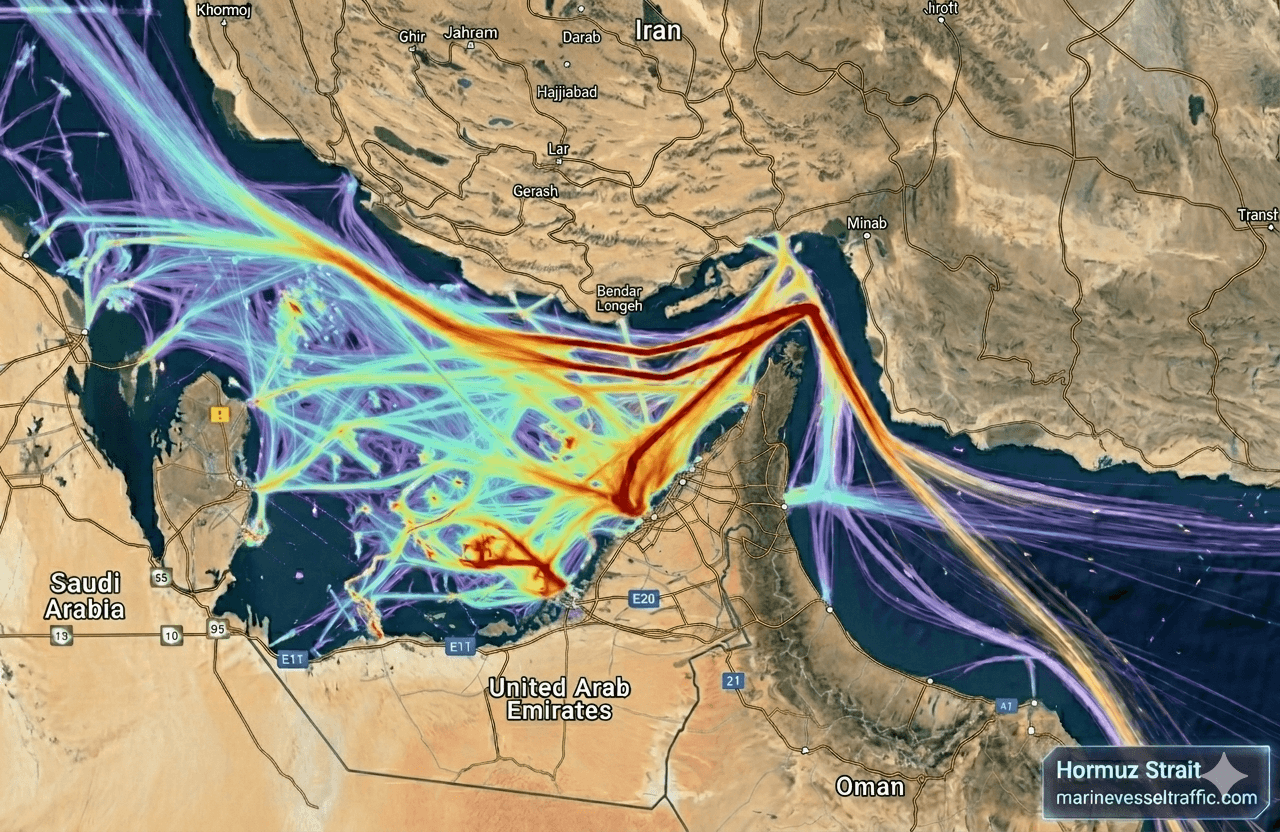
Strait of Hormuz Crisis 2026: Oil, LNG and Cost Shock
The Strait of Hormuz crisis is not just an oil story. It is an illegal war, a fight for control, and a global cost shock hitting fuel prices, LNG prices, shipping, inflation and markets.
- Strait of Hormuz
- Hormuz crisis 2026
- Hormuz closure
- US Iran war
- oil prices
- Brent crude
- LNG prices
- tanker stocks
- war risk insurance
- energy inflation
- global supply chain

S&P 500 at Record Highs: Strong Trend, Louder Warning
Stocks are near record highs, gold is strong, and long term momentum is stretched. The trend is still bullish, but this is not the place to confuse strength with safety.
- S&P 500
- SPX
- Stock Market
- Market Cycles
- Gold
- RSI
- Stochastic RSI
- Benner Cycle
- Investing