Copper Market 2026: Supply Squeeze, EV Demand and How to Invest
By SCAD3D Insights
- Copper
- Copper Price
- Copper Investing
- Copper ETF
- Copper Miners ETF
- CPER
- COPX
- Boliden
- Aurubis
- EV Demand
- Energy Transition
- China Copper Demand
- Copper Physical Premiums
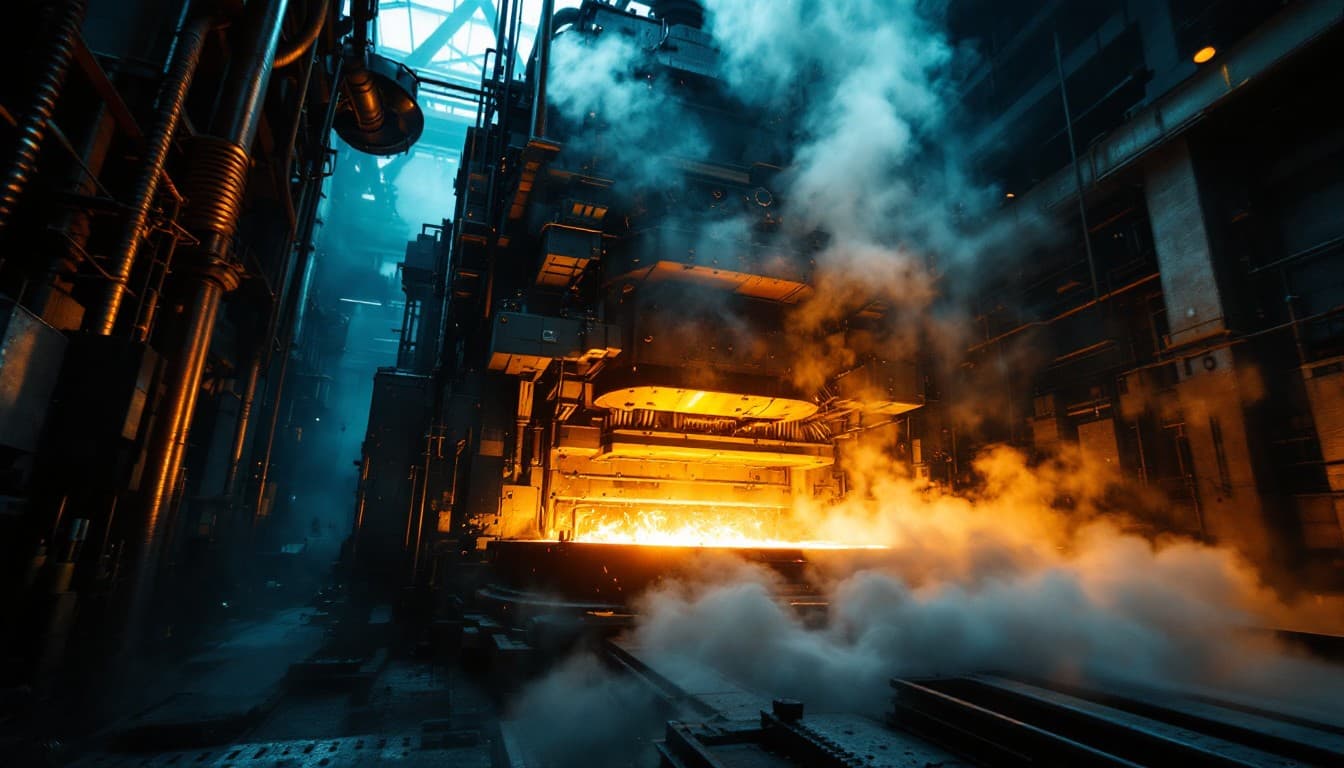
Copper prices are rising because the world needs more electricity, EVs, grid upgrades and data centres, while supply remains tight. Here is the copper thesis in plain English.
LME copper stocks are thin. European physical premiums are at record levels. Copper prices are still close to recent highs. The physical market is not relaxed, even if the latest LME cash-to-three-month spread has moved back into slight contango.
The reason is simple. The world is using more electricity. EVs, power grids, factories, homes, solar farms, wind projects and data centres all need copper. That creates a basic question for investors: can supply keep up?
As of 27 May 2026, copper is trading around $6.34 to $6.37 per pound, slightly below its recent all-time high near $6.65/lb. It is still up around 35% to 36% year over year, so this is no longer a quiet commodity move. Higher copper prices are already feeding into construction, renovation, wiring, plumbing and infrastructure costs. That does not mean copper goes straight up from here. It remains volatile and sensitive to China, the dollar and global growth.
Applying the 3D Framework
-
Direction: The long-term case is supported by electrification. EVs, renewable power, grid upgrades and data centres all require large amounts of copper. This gives copper a structural demand story, not just a short-term trading story.
-
Depth: The physical market still looks tight, even though the latest LME cash-to-three-month spread is no longer clearly backwardated. LME cash copper was around $13,570/t on 26 May 2026, with the three-month contract slightly higher around $13,611/t. That means the strongest signal is not the curve alone. It is the mix of high prices, thin warehouse stocks and record European physical premiums.
-
Downside: Copper is still cyclical. If China slows, construction weakens or global manufacturing turns down, the price can fall sharply. A strong long-term theme does not remove short-term risk.
Why Demand Keeps Growing
The copper story is mainly about electricity.
EVs need copper for motors, batteries, wiring and charging infrastructure. Solar and wind projects need it for generation and grid connection. Data centres need it for power distribution and cooling systems. Buildings and factories also need copper for normal electrical systems.
The grid may be the most important part of the story. It is easy to focus on EVs and batteries, but none of that works without transmission lines, substations and stronger distribution networks. If the world wants more electric transport and more renewable power, the grid has to expand.
That is why copper should not be seen only as an EV trade. It is also a grid, infrastructure and energy-transition trade.
Why Supply Is Hard to Fix
Copper supply does not react quickly.
New mines can take many years to permit, finance and build. The IEA has warned that, based on the current project pipeline, the copper market could face a large supply deficit by 2035. The issue is not just demand growth. It is the slow speed of new supply.
Production is also concentrated. Chile and Peru are two of the most important copper producers. The Democratic Republic of Congo, China and the US also matter. This creates political, labour, infrastructure and environmental risks.
Low inventories make the situation more sensitive. LME stocks are estimated at roughly five days of world consumption. When warehouse stocks are that thin, a strike, port issue, power shortage or political shock can have a much larger price impact.
This is why copper can look calm for a long time, then move very quickly.
The Physical Tightness Signal
The futures curve is still useful, but it should not be overstated.
In a normal commodity market, future prices are often higher than today’s price because storage, insurance and financing cost money. That structure is called contango.
The latest LME cash-to-three-month spread has moved back into slight contango. That means the curve alone is not screaming shortage today.
But the wider physical market still looks tight. LME stocks are thin, available inventory is low relative to global consumption, and European buyers are paying a record physical premium. Aurubis has offered its 2026 European delivery premium at $315/t, up from $228/t for 2025.
That does not guarantee a price spike. But it does mean the market has little room for disruption.
The Bear Case
A serious post should also test its own thesis. Copper has several real risks.
China matters more than any single demand driver. Roughly half of global copper consumption ends in China. A deeper property slowdown, weaker industrial activity or a stronger push into state stockpile releases could move the price down quickly, regardless of long-term EV and grid forecasts.
Substitution is also a quiet risk. Aluminium is already used in some grid applications, particularly overhead transmission, and engineers continue to look at it where conductivity requirements allow. Copper is not always irreplaceable.
Forecasts of structural deficits have a mixed track record. Similar “supply gap by 203X” predictions have been published in past cycles and were partly closed by higher prices, scrap supply, recycling and project restarts. Today’s tight market is real, but the path from here to 2035 is not a straight line.
Finally, the global cycle matters. Copper is sometimes called “Dr Copper” because it reacts to industrial activity. A genuine recession in the US, EU or China would hurt copper even if the long-term electrification story stays intact.
How to Invest in Copper
There are different levels of copper exposure.
The simplest route is a copper price ETF such as CPER in the US market. It is designed to track copper futures, so it gives exposure to the metal price without choosing individual miners. The downside is that futures-based ETFs can have roll costs and tracking differences.
The second route is a copper miners ETF such as COPX. It owns a basket of copper mining companies and gives diversified miner exposure. COPX has a 0.65% expense ratio. Miner ETFs can rise more than copper when prices are strong, but they can also fall more when costs, politics or market sentiment turn negative.
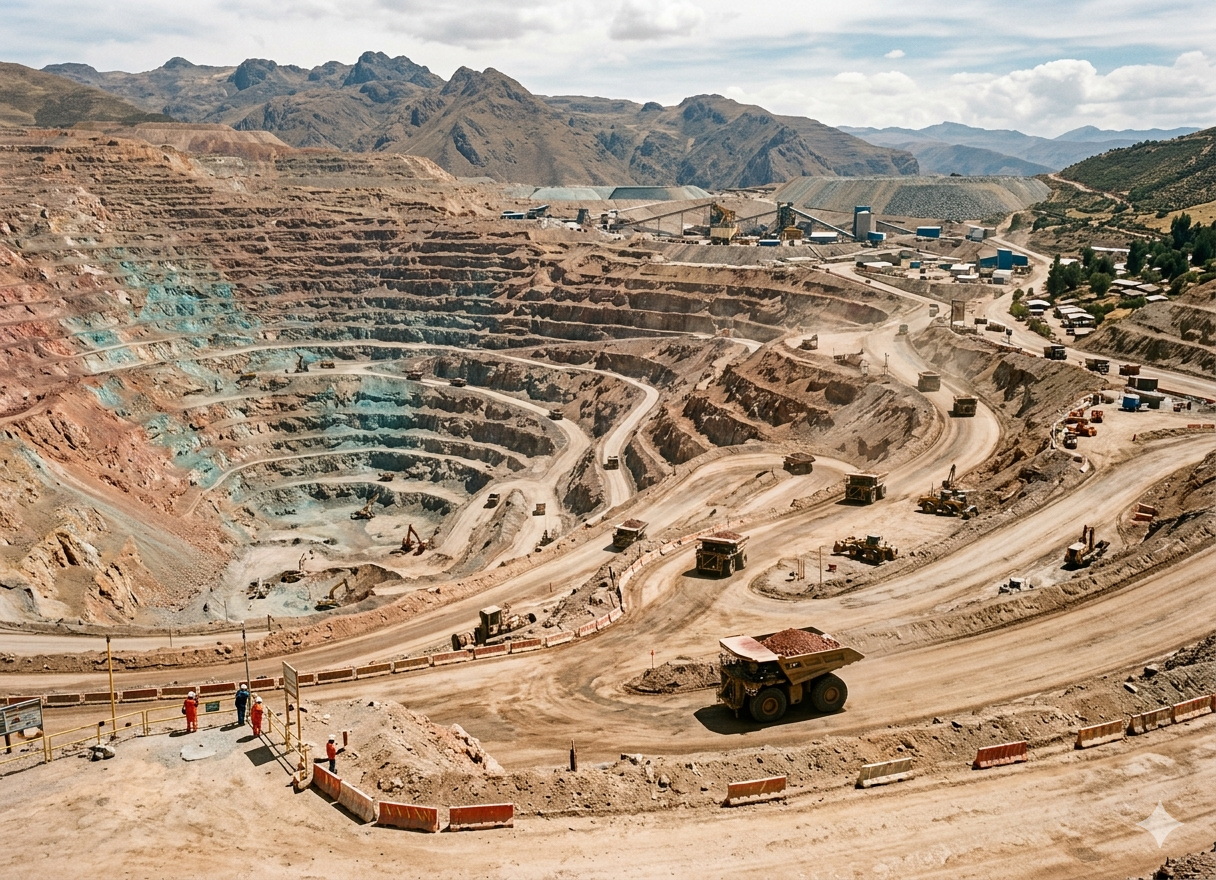
The third route is individual producers. In the US, that means names like Freeport-McMoRan, Southern Copper, Teck Resources and Rio Tinto. For European and Nordic investors, two names are worth understanding even if you do not buy them. Boliden (Nasdaq Stockholm) is a major Nordic base-metals producer with copper, zinc and smelting exposure across Sweden, Finland, Norway, Ireland and Portugal. Its low-carbon copper position is also relevant because Nordic hydropower gives it a cleaner production profile than many global peers. Aurubis (Frankfurt) is Europe’s largest copper producer and one of the world’s major copper recyclers, with refining and value-added copper products at the centre of its business.
Individual producers are higher risk. You are no longer only betting on copper. You are also betting on management, mine quality, debt, costs, country risk and capital allocation.
A rising copper price does not automatically make every copper stock a good investment.
A Practical Approach
For most investors, copper should be treated as a long-term theme, not a quick trade.
Starting small makes sense because copper can move a lot in one year. A small allocation through an ETF or diversified miner fund is easier to manage than trying to time the perfect entry. Dollar-cost averaging can also reduce the risk of buying everything near a short-term high.
The key things to watch are China, inventories, physical premiums and the futures curve. China uses a huge share of global copper, so construction and manufacturing data matter. Low inventories support the supply squeeze thesis. Record physical premiums show that buyers are still paying up to secure supply, even if the latest LME curve is not clearly backwardated.
If those signals remain strong, the copper story remains intact.
Takeaway
Copper is a serious long-term theme because electrification needs physical metal. It is not just about policy targets or technology headlines.
The investment case is clear: demand from EVs, grids, renewables and data centres is rising, while new mine supply is slow and difficult to bring online. Low inventories and record European physical premiums suggest the physical market is still tight, even if the latest LME curve has moved back into slight contango.
But copper is not a simple “buy and forget” asset. It is cyclical, volatile and heavily linked to China and global industrial demand.
The better question is not whether copper is important. It clearly is.
The better question is how much exposure makes sense, and whether you can handle the volatility that comes with it.
Risk Notes
Copper investing is volatile. Prices can fall sharply during recessions, China slowdowns, dollar strength or weak manufacturing cycles.
Copper ETFs and futures-based products can have roll costs, tracking differences and liquidity risks. Copper miners carry company risk, political risk, operating risk, cost inflation and balance-sheet risk.
Nothing here is financial, investment or tax advice. The tickers mentioned are research starting points, not recommendations. Do your own due diligence and speak with a licensed advisor before making portfolio decisions.
Found this useful?
Source note: Based on LME official data, Trading Economics, IEA, Bloomberg, S&P Global, Boliden and Aurubis disclosures, and market data.
Disclosure: SCAD3D Insights holds no position in copper futures, CPER, COPX, FCX, SCCO, TECK, RIO, Boliden or Aurubis at the time of publication.
More Insights

Broadcom Drops 14%: Is the AI Market Rotation Real?
Broadcom dropped 14% on 4 June after beating earnings. Nvidia is up 19% YTD while AMD is up 143%. Is this the start of AI market rotation, or just a buy-the-dip moment?
- Broadcom
- AVGO
- AI Market Rotation
- AI Stocks
- Nvidia
- AMD
- AI Chip Selloff
- Priced for Perfection
- Sector Rotation
- Stock Market 2026
- AI Bubble
- IPO Supply
NVIDIA vs Dell: The AI Infrastructure Trade Explained
NVIDIA captures the highest-margin layer of the AI boom. Dell shows how much of that demand is becoming real servers, racks and data-center infrastructure.
- NVIDIA
- NVDA
- Dell
- DELL
- AI Infrastructure
- AI Servers
- Data Centers
- Semiconductors
- AI Chips
- AI Compute

Strait of Hormuz Crisis 2026: Oil, LNG and Cost Shock
The Strait of Hormuz crisis is not just an oil story. It is an illegal war, a fight for control, and a global cost shock hitting fuel prices, LNG prices, shipping, inflation and markets.
- Strait of Hormuz
- Hormuz crisis 2026
- Hormuz closure
- US Iran war
- oil prices
- Brent crude
- LNG prices
- tanker stocks
- war risk insurance
- energy inflation
- global supply chain